 EN | CN
Waste sorting is the core procedure for the resource utilization, volume reduction and harmless disposal of waste, aiming to separate recyclable materials from mixed waste.
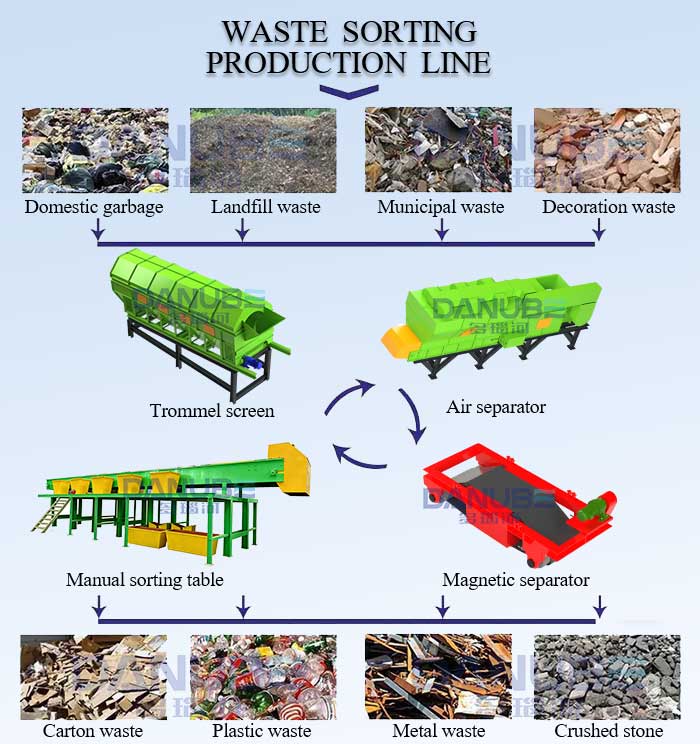
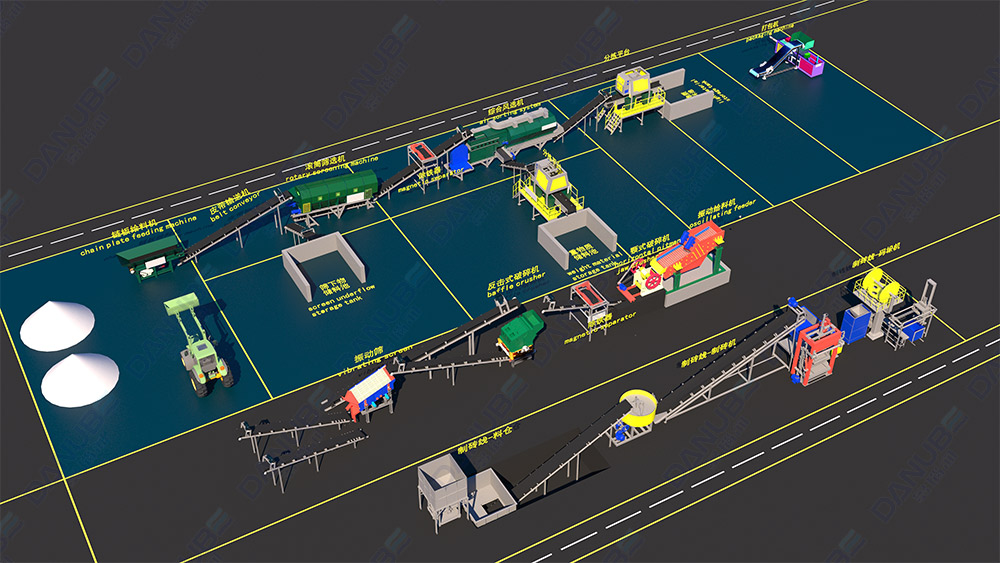
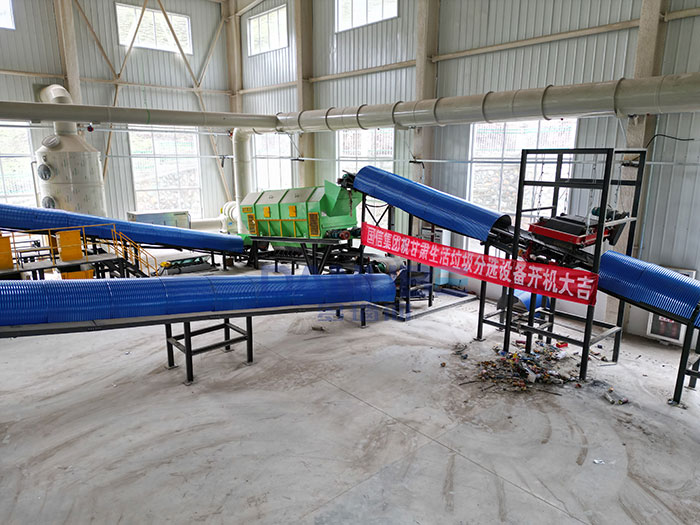
Modern waste sorting systems usually integrate multiple technologies instead of relying on a single solution. The mainstream technologies are divided into two categories: manual sorting and mechanical sorting:
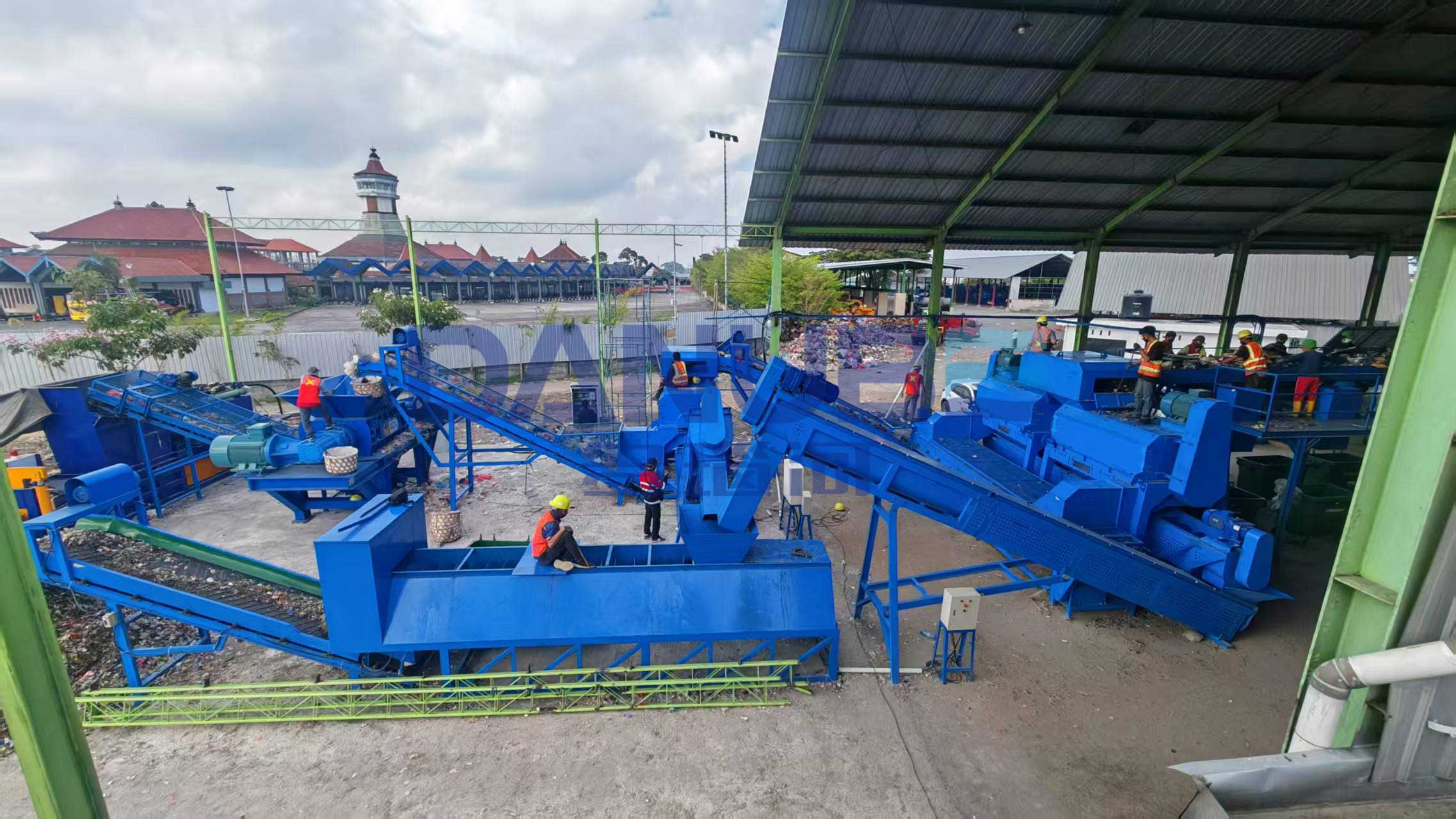
Manual sorting: Workers pick waste manually beside conveyor belts. It boasts flexible identification capability and can process complex waste.
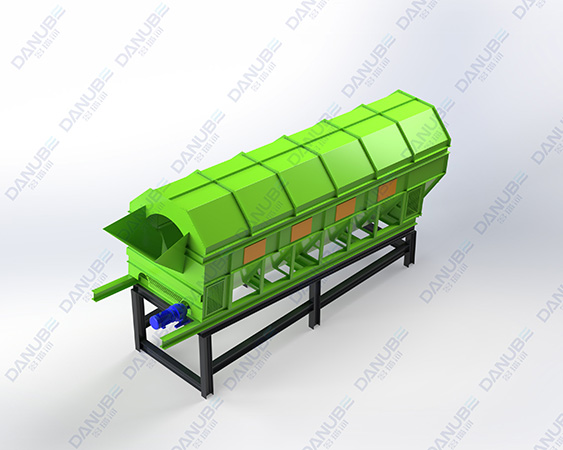
Mechanical screening: Materials are separated by particle size. Trommel screens and star screens are widely adopted for primary classification.
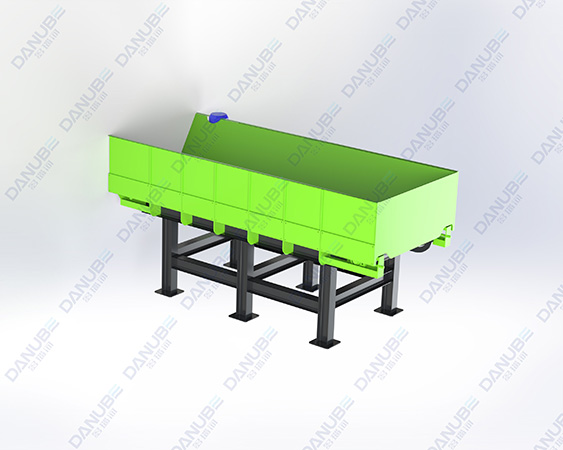
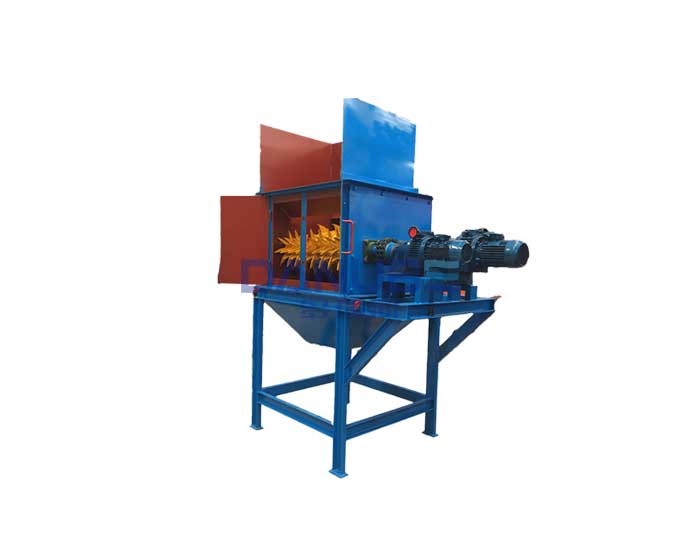
Mechanical gravity sorting: Separation based on density differences. Air sorting separates light and heavy materials, while water sorting separates materials by buoyancy.
Mechanical magnetic separation: Magnets recover ferrous metals such as iron cans; eddy current separators separate non-ferrous metals including aluminum cans.
Optical sorting (advanced technology): Identifies materials through spectrum analysis. Near-infrared (NIR) technology recognizes plastics like PET and PP by their molecular features; AI vision technology identifies objects based on their color and shape.