 EN | CN
As Malaysia strides toward its Solid Waste Circular Economy Blueprint (2025-2035) targets, danube Group, a global pioneer in integrated waste treatment solutions, has expanded its footprint in the country with a second customized household waste treatment production line. Building on the success of its Penang coconut waste recycling project and proven global deployments—including the Netherlands’ Rotterdam Municipal Waste Plant and Thailand’s Bangkok Eco-Waste Hub—danube’s technology is tailored to Malaysia’s waste profile (45% food waste, 24% plastic) and deepens environmental stewardship by cutting emissions, boosting recycling, and diverting waste from landfills.
Malaysia’s waste challenge remains urgent: 39,000 tons of solid waste are generated daily, with only 30% currently recycled . Plastic pollution plagues its iconic coastlines and rainforests, while overcrowded landfills like Kuala Lumpur’s Bukit Tagar face imminent capacity limits . The 2025 ban on low-grade plastic waste imports has further emphasized the need for domestic, eco-friendly treatment. danube’s track record speaks volumes: its Rotterdam project reduced landfill waste by 65% and cut carbon emissions by 180,000 tons annually, while the Penang initiative converted 45 tons of post-festival coconut waste into clean biofuel in 2026—proving its ability to deliver tangible environmental gains in diverse contexts.
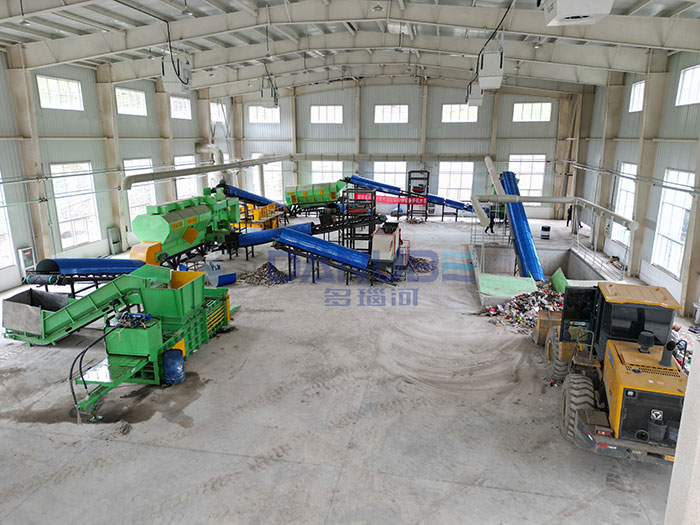
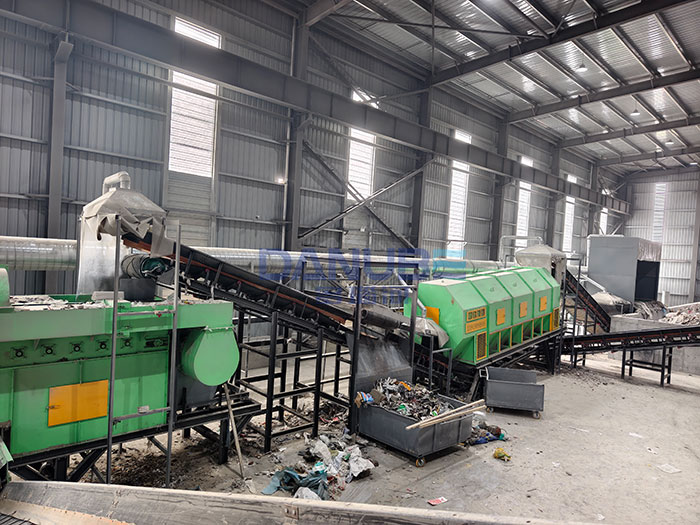
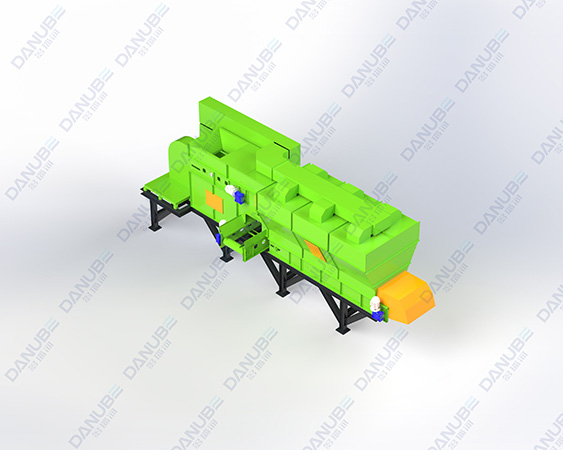
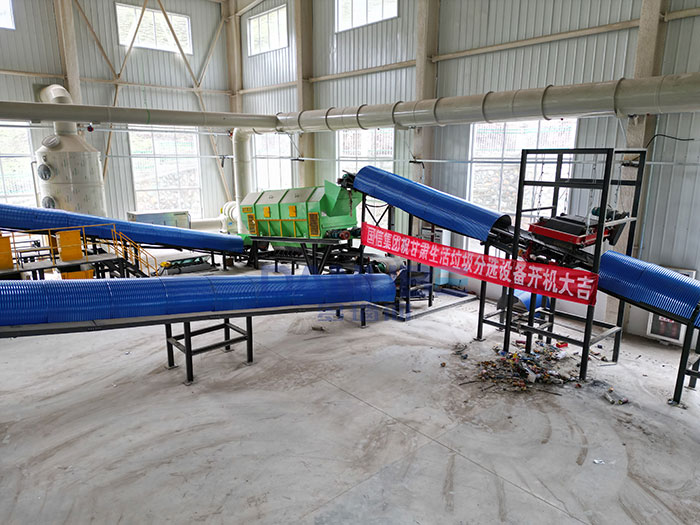
danube’s latest solution prioritizes eco-efficiency at every step, leveraging core equipment optimized for Malaysia’s needs:
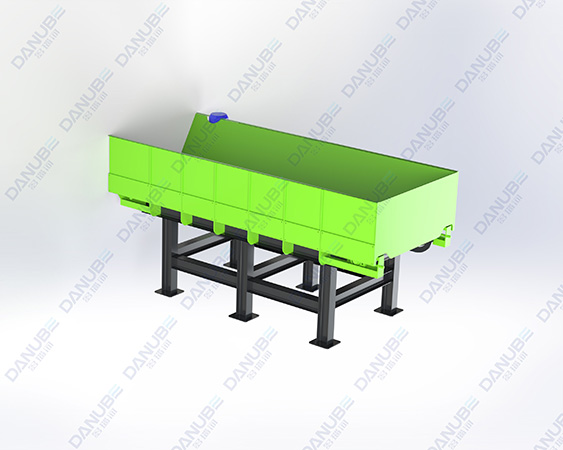
Chain Plate Feeder:
Corrosion-resistant and frequency-adjustable, this feeder thrives in Malaysia’s humid climate, ensuring uniform waste flow that slashes energy use by 15% vs. traditional models. Its sealed design eliminates odor leakage, safeguarding air quality in urban and residential areas.
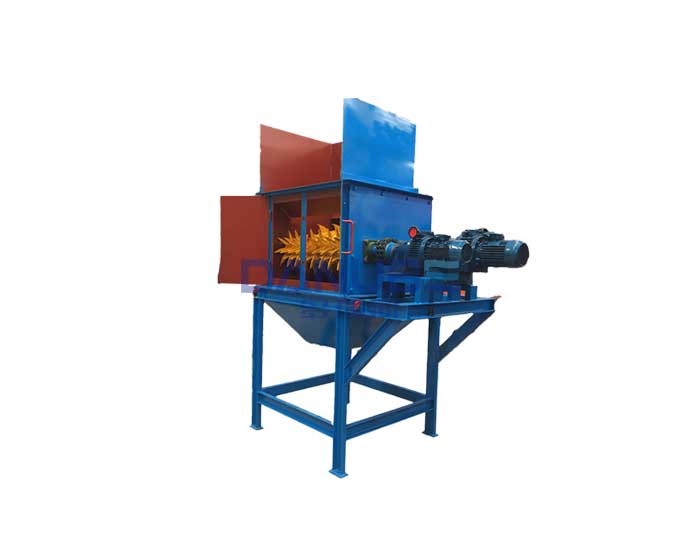
- Twin-Shaft Shredder:
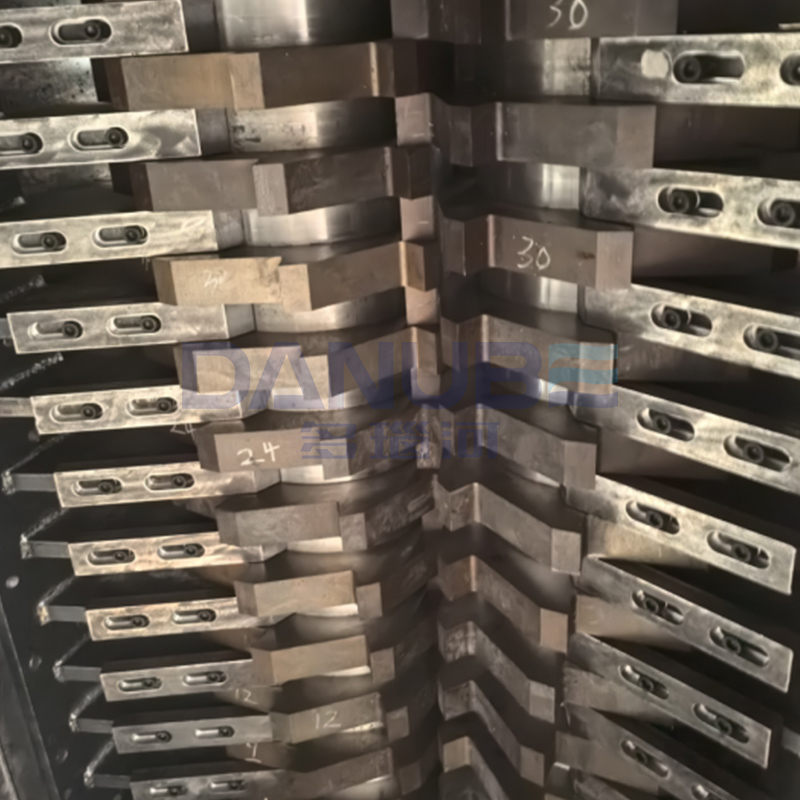
Equipped with durable alloy blades, it processes bulky waste (furniture, plastic containers, food scraps) into uniform particles. The intelligent overload protection system minimizes downtime—mirroring its 3-year maintenance-free run in Rotterdam—reducing the carbon footprint of equipment upkeep.
- Eco-Centric Sorting System:
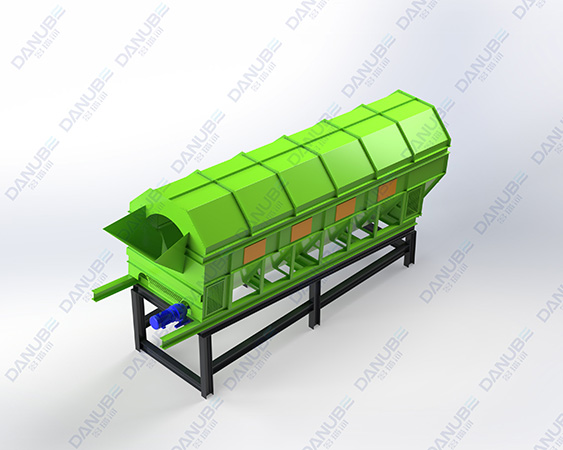
Shaftless Drum Screening Machine: Crafted from recycled steel, this low-noise (≤85dB) unit separates inert materials (stones, ceramics) from recyclables and organics without secondary pollution. Easy screen plate replacement aligns with circular economy principles, cutting maintenance waste.
Integrated Air Separator: Using aerodynamic sorting (no chemicals), its sealed negative-pressure design sorts plastic films and paper with 98% accuracy, slashing microplastic emissions by 80%—a critical win for Malaysia’s marine ecosystems.
Magnetic Separator: Recovers ferromagnetic metals (iron wires, cans) for recycling, diverting 2,000+ tons of metal from landfills yearly (as seen in Rotterdam) and creating local economic value.
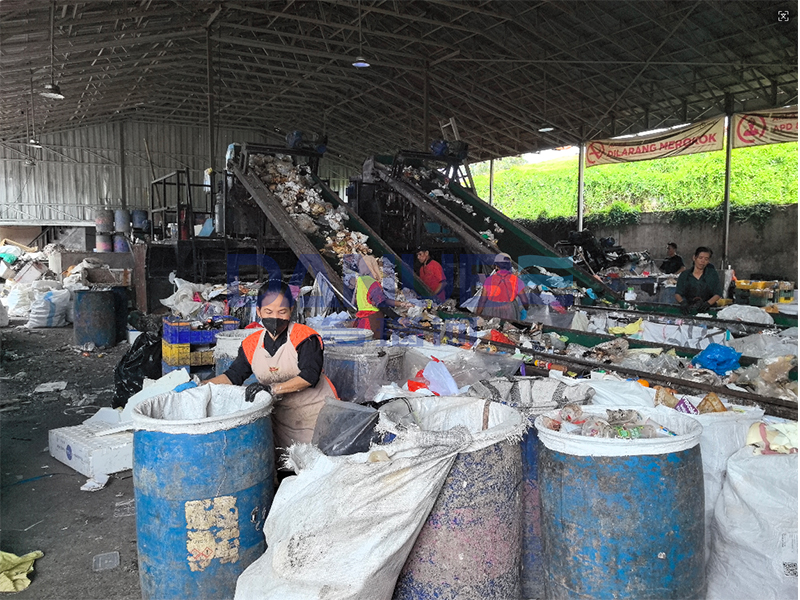
Manual Sorting Table: Ergonomically designed with natural lighting, it supports green jobs by enabling precise segregation of hazardous or contaminated items, preventing ecosystem harm.
RDF Forming Machine:
The star of energy recovery, it converts combustible waste (plastic, food residues, coconut shells) into dioxin-free RDF pellets (5,000 kcal/kg). These replace coal in industrial boilers and WtE plants, aligning with Malaysia’s goal to scale 18 WtE facilities by 2035. In Bangkok, this tech generated 90 GWh of clean electricity annually—powering 30,000 households.
Danube’s EPC turnkey services integrate additional green features: solar-powered auxiliary systems and rainwater harvesting for facility operations. Fully compliant with Malaysia’s Extended Producer Responsibility (EPR) rules, the solution qualifies for government green incentives, including tax breaks for sustainable tech adoption.
“Malaysia’s commitment to a circular economy demands solutions that protect the planet while delivering results,” said a danube spokesperson. “Our global projects and local Penang success show that waste is a resource—one that can reduce emissions, create jobs, and preserve Malaysia’s natural beauty. We’re proud to partner in turning waste challenges into environmental wins.”
Local stakeholders, including Friends of Nature Malaysia and Kuala Lumpur City Hall, have endorsed the expansion. Pilot projects in Selangor and Johor are set to divert 50% of local waste from landfills in the first year, contributing to Malaysia’s 40% recycling target by 2025 and 40% methane reduction by 2030.